Showing posts with label dogs. Show all posts

Thursday, December 6, 2012

Five Best Fetch Toys for 2012


Selecting the right toy for your dog is not always so simple. It might take a bit of trial and error before you can decide on the perfect toy for your pooch. Dogs love to run and fetch, at least most of them do. In addition, they love toys that will keep them entertained and owners want toys that are safe as well. Actually, many dogs are quite finicky when it comes to their toys. They care about the shape, feel, and size of the toy their masters give to them. With the right amount of patience, dog owners will find the toy or toys their pet will love to play with.
Check out these five best fetch toys for 2012:
BIONIC BIONIC BALL DOG TOY 
Bionic Rubber® is a pioneering material that can endure the constant wear and tear of most pets' playful natures. Data states that Bionic products have been put to the test in various situations like pet rescue shelters and day cares throughout the US for many years.
Supposedly, pet owners will get just as much fun from this toy as their pets. They probably will if they strategically throw the ball so that it bounces unpredictably, it could result in hours of fun. The color is strikingly vivid. This toy is recommended for medium to large dogs.

JW PETS CRACKLE HEADS BALL DOG TOY
This rubber ball is a variation of the classic ball that dogs have played with for years. However, the distinction with this ball is the inside device made of water bottle material. The crunchy bottle-material inside produces a crackle sound dogs love to hear. The holly-designed cutouts expose the crackle-head technology on the inside.
The rugged outside rubber holds the bottle ball in place and acts as a protective layer that can withstand rough play. This toy is best for large and extra-large breeds.

RUFF DAWG K9 FLYER
This new generation of play disc for dogs is for medium to large dogs, and there is a K9 Flyer Jr. for smaller dogs. The biggest advantages of this Frisbee styled disc is its ease on dogs' teeth and gums, including ease of retrieval, easy storage, and its durability. Some owners of the Ruff Dawg K9 Flyer have stated that it's a bit heavier than normal discs and stays in the air for shorter periods of time because of its weight. Nonetheless, it can result in hours of fun and comes in fantastic colors.
CHUCKIT! INDOOR LAUNCHER
This colorful inside pet toy is perfect for days when you would rather stay inside, especially during heavy rain or snow. If you can't take your pooch outside for a walk or play, the Chuckit! Indoor Launcher is perfect. It's basically throwing something and letting your dog go after it to fetch it. The round empty roller together with a plastic handle, or wand, is colorful and made with a soft material to prevent damaging anything inside your home. It will certainly keep your pet active; however, you should have enough space to play fetch indoors or you and your pooch may be running into the furniture!
JW PET CRACKLE HEADS CUZ DOG TOY
This durable rubber ball has water bottle material that creates the crackling sound effect that dogs love. Your dog will spend hours playing with this modern toy. The Crackle Heads Cuz dog toy is one of the most popular Cuz toys with pioneering crackle technology inside. A patent pending design, this bottle ball is protected with natural rubber while providing the crackle noise that dogs love to hear.
The rugged exterior rubber forms around the bottle ball supplying a shield that can withstand rough play. There are no sharp edges or parts that will hurt your pet's mouth since the material is soft and harmless. This design is best for large and Xtra-large breeds. This toy comes in various bright colors.
Summary
The above five best fetch toys for 2012 are groundbreaking designs that will help your pet enjoy their play but also keep them interested for hours. Fetching is a dog's favorite play time, and when they have toys that are easy on their mouths but tough enough to endure plenty of rugged play, you have a doggy toy that is well worth the investment.
Jon Templeton recommends purchasing JW Pets from only trustworthy and experienced online pet toy retailers. For more information, view Jon's top recommended JW Pets Dog Toys gi-nor-mous selection of long-lasting dog toys, balls, frisbees, cracklers and squeakies available for purchase and free shipping.
Article Source: http://EzineArticles.com/7296528

Wednesday, December 5, 2012

Are Your Dogs Afraid Of Thunder And Storms?


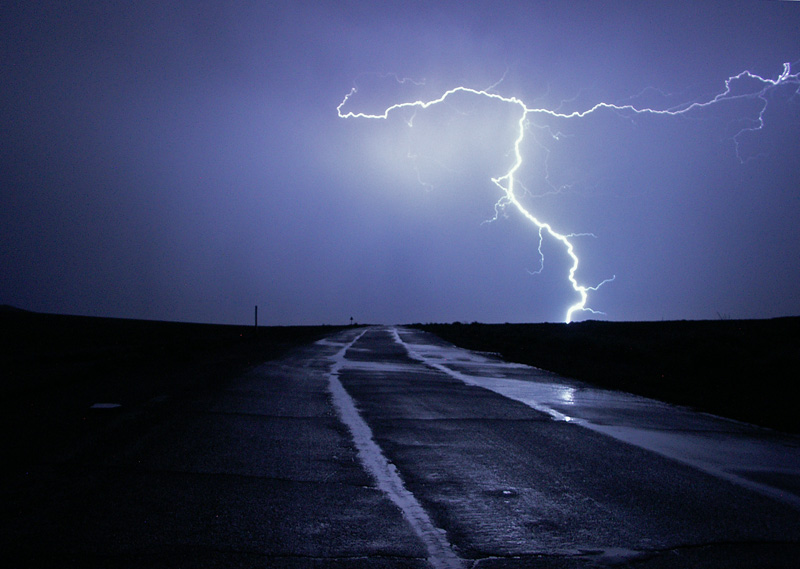
Have you ever come across dogs afraid of thunder? It's not that uncommon. It's not necessarily the noise itself that scares them, but rather the suddenness of the thunder. It comes out of nowhere.
Dogs come in various personalities, just like people. Some are very sensitive, others more blase. It's the very sensitive ones who tend to have the morbid terror of sudden noises. And it's not limited to thunder and storms. They are just as scared of firework displays, a back firing vehicle on a nearby road, the switching on of a vacuum cleaner, a gun firing, a starter pistol, and so on.
These dogs generally quiver and shake in terror. They try to hide in a dark, safe place. If outside, they are likely to run. And run. It's very difficult to placate these dogs, however much you try.
The veterinary option is to sedate the dog. You may feel better as now you can't see the dog acting out their terror. But sedation does not reduce terror. It simply incapacitates the body, often leading to further fear, because now they are helpless.
A far better approach to help dogs afraid of thunder is to support them in overcoming the fear. It is doubtful if there is a better way than with homeopathic treatment.
Homeopathic treatment doesn't try to sedate a terrified dog. Homeopathy works by understanding the full nature of the dog, including their sensitivities and fears. It works by rebalancing their core and in the process, the fears disappear.
There is no one homeopathic treatment for the fear of thunder.
For example, a dog who is everyone's friend, is excitable but also anxious of other things besides thunder, such as being alone, who may have a huge appetite and is prone to respiratory problems may need one remedy.
Another dog, also afraid of thunder and sudden loud noises, may also be afraid of strong winds. They may be prone to arthritis, which is affected by storms, adding to the misery. This dog would need a different remedy from the first one.
Another dog may have developed their fear of thunder after sterilisation. Another dog may have had growth problems in addition to their fears. These would again need different remedies.
Homeopathic treatment is deep, undoing problems other systems of medicine have no ability with. Homeopathic treatment is safe, as there are no side effects. Homeopathic treatment is highly cost effective, as one treatment has the potential to cure a wide range of problems.
To truly help dogs afraid of thunder, find an experienced homeopathic vet or homeopath who treats animals. It is very much curable.
Article Source: http://EzineArticles.com/7400975

Time for laugh!

Enjoy with those funny dog inserts..

Tuesday, November 27, 2012

Dog Training by Using Your Dog Leash

One of the most popular methods of dog training is the leash/collar style of training. This type of training has proven it's effectiveness over many years. It is always used when a dog must have a high level of reliability, such as that of rescue dogs, police dogs, guard dogs and dogs for the disabled. But it will also keep you and your dog safe when out on your walks, by preventing the pulling and tugging that invariably occurs with a dog who is not trained properly to walk with a leash.
Positive reinforcement is the best tool to use to train your dog. This is superior to punishment in establishing the behavior of your dog on a leash. Positive reinforcement results in lasting behavioral modification. Punishment changes behavior only temporarily with the result that it will reappear later, bringing along with it more problem behavior. By using positive reinforcement, you will build a bond of trust and cooperation between your pet and yourself.
First you must slowly introduce the leash to your dog and also the collar if he has not been wearing one. A regular, flat buckle collar is all that you need. A choke collar is not necessary. Let your pet sniff them as you gently place them before him. Reward him with praise for his interest. Give a treat, if you plan to use treats with your training. Slowly place the collar around his neck and once he becomes comfortable with that, attach the leash and let him drag it around the house. Praise him for his interest in using the leash and collar.
Keep your training sessions short. You can train several times during the day, but remember this is supposed to be fun for your dog. You don't want to push him past his limit. Puppies generally have an attention span of about 5 minutes, so do not insist on training beyond this or you may teach your pup to actually dread training. Multiple training sessions will help your dog learn quickly.
Since these short sessions to not provide adequate exercise for your pet, you must find other ways of exercise to help tire your dog before beginning your training. Dogs generally pull on the leash because they are full of excess energy. Tire your canine friend before training by playing fetch in the hallway or the backyard. Or maybe drive your dog to the dog park to run with his friends.
Begin your training indoors, where there are fewer distractions for your pet. The initial goal here is not to teach your dog to "heel" right by your side. You want to leave room for your pet to sniff and explore as long as he always leaves some slack in the leash. He must always follow your lead in order to be allowed his freedom. Simply pick up the end of the leash and walk around your home with your dog trotting beside you. As he walks along on a loose leash, give him plenty of praise, petting and some treats. When he decides to strain on the leash, (which he will), simply stop immediately. Don't yank him back over to you with the leash. Call him back to you and praise him when he comes. NEVER ever keep walking when your pet is pulling on the leash. This will reward his behavior and reinforce his bad habit. Your dog learns that the only way he will go move forward is by always leaving some slack in the leash. He will learn that when he pulls on the leash, he will get nowhere. Once your pet is back by your side, begin walking again. And repeat, repeat and repeat some more. It will take patience and persistence, but armed with these qualities and practice, you will be successful.
When you are ready to step outside, you will have a lot of competition for your dog's attention. Simply continue the above steps, working even harder of course. You may need to use a lot of treats in the beginning stages, but as your pet gets the idea of what you expect from him, you can slowly phase out the treats by waiting longer intervals before handing them out.
Training your dog will reinforce the relationship between yourselves and gain the respect of your canine friend. Dogs are wired by nature to seek out leaders and to follow directions from those leaders, so your pet will discover that leader in you. This will help your friend become a more calm, faithful and happier dog and a better family companion to others in your family.
When out walking your dog, please consider this new dog poop bag holder that will safely and discreetly carry your loaded dog poop bags and also has pockets for empty plastic bags, an inverted bottle of hand sanitizer, dog treats and training supplies, and also a handy clip for a dog poop bags dispenser, keys or a flashlight. This dog poop bag holder will attach to your leash or belt and will safely and conveniently carry your loaded dog poop bags and more.

Sunday, November 25, 2012

History of Dogs? Or Maybe Wolves?


Origin
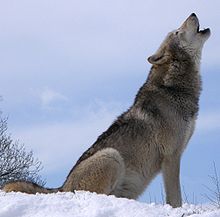
Do you know that the adorable little puppy you bought home last week could possibly be a descendent of a wolf? It may well be true! In fact, many theorists believe that wolf is the direct ancestors of domestic dog. Nevertheless, there are just as many who argue that it seems impossible to have over 400 varieties of dogs descended from just one species.
-Anatomically, the make-up molecules of the wolf over the centuries have remained unchanged, and research revealed that the DNA of wolf and dog are almost identical! The general pattern of dogs' skeleton is still very similar to those of wolves in terms of their components, but significant changes can be detected, most obviously in the shape of the skull and the length of some of the limb bones.
The divergence in physical appearance could possibly be the result of mutation or even during cross breeding. Today, breeds such as the Alaskan malamute still retain a strong affinity with the wolf, in terms of their facial appearance and underlying skull structure.
-Behaviorally, both dogs and wolves bury bones; turn in circles before settling down for sleep; howl at the moon and frequently leg lift to mark territory. Both gestation periods is 63 days each, and the birth and development of their young is also almost identical
-Structurally, dogs and wolves are also extremely similar. Both also live in a pack-like hierarchal system where they are comfortable with a top dog, or Alpha role model. With regards to domestic dogs, Alpha (leader) role should belong to the owner they live with.
Whatever the theory, it isn't difficult to spot the similarities between dog and wolf. Although, in some cases, the appearance of the domestic dog has diverged significantly from that of its "suspected" ancestor, most dogs still retain many of the traits of their ancestor.
Man's Best Friend
Early cave drawings show us that wild dogs and wolfs were with humans even in prehistoric time. One of the earliest documentations of man and canine was noted more than 12 000 years ago on an ancient site in Egypt when the fossilized remains of a man and a small puppy were found in a grave in hugging position. Although, it is doubtful whether the puppy was that of dog or wolf, this is not an important issue.
Today, Scientists recognize and agree that the process of domestication of the dog has existed for 14 000 years, however they are not in agreement as to how domestication occurred:
-Some believe that man adopted offspring of the wolf and through natural selection chose to keep those that were less aggressive and that craftily begged for food.
-Others believe that wolves adapted themselves in following man because they could get a good meal.
Whatever the case, it's hard to distinguish if wolves just tagged along or if they were invited. From ancient time till today, man and dog are inseparable who lived together and changed together.
In earlier times man was only concerned with gathering food. However, over time he began to become involved in hunting for food, turning his canine to "friend" as he helped immensely in hunting activities, this occurred some 12 000 years ago.
Later, man realized that not every animal should be his prey, but that some should be kept alive in order to domesticate for his purposes. At that time, domesticated animals needed to be protected from predators, this responsibility was taken up by dog becoming the guard dog, and this new role occurred some 7000-9000 years ago.
Dog Breeding
Dog breeding began when humans started to emphasize certain characteristics in dogs. Long-legged dogs, for instance, could be used to chase prey, heavy-set animals made better guard dogs. Several types of dogs emerged at the time of the New Kingdom in Egypt (circa 1570 B.C.) and drawings began to show dogs with drop ears, curly tails, straight tails and many coat patterns. Soon people all over the world were breeding and using dogs to suit their own needs.
The Greeks and Romans were training heavy-set dogs for sports, the Far East saw the toy dogs as prized possessions and the Europeans were developing sporting dogs for particular uses - smaller dogs to go to ground, stronger dogs to hunt. Dogs started to be grouped by appearance or function for convenience and were then even further divided into workers, herders and sports.
By 15th & 16th centuries, dogs began to gain popularity, not only for being functional, but by becoming a popular pet. The commercial importance of dogs and dog breeding escalated quickly as they became fashionable. During the 19th century, the number of new breeds grew quickly, with the first dog shows beginning in the 1850s.
Today, although there are roughly over 350 different breeds of dogs acknowledged by the FCI classification, all of them have one common quality that follows them throughout history and that is their unconditional love and loyal relationship to man.
This is without a doubt the oldest friendship recorded in history!
Moses Chia is the webmaster of DogsObedienceTraining.com. He provides more helpful information on dog obedience training, dog training book reviews and dog illness symptoms interpretation that you can learn in the comfort of your home on his website. You are welcome to reprint this article if you keep the content and live link intact.
Article Source: http://EzineArticles.com/44177

Saturday, November 24, 2012

How To Deal With Dominant Aggressive Dogs


There are pet owners out there who are dealing with aggressive dogs. One reason you are reading this might be because you have encountered one, or is actually dealing with your own aggressive dog. So what are the things that you should know and do, in order to tame these dominant and/or aggressive dogs?
Reasons for Dominant Aggression
One of the main reasons for a dominant aggressive dog, is failure in the part of their owner to recognize that their "pet" is actually a "pack" animal. You see, wolves or dogs live in packs, and the way they determine who is boss sometimes is shown through aggression. The dog that is the most aggressive is the Alpha male, and all the other dogs are just the followers. You may or may have not noticed the way you are treating your dog, that's why he is acting dominant and aggressive towards you. If you are acting more like a follower, for example, letting your dog sleep in the bed with you, allowing him to eat scraps from the table, letting him rest in the couch, then you are just showing your dog that he is the Alpha male, and therefore a leader in your house. That is why he is starting to act aggressive whenever you try to reach for his food, or toys that he thinks is his own property.
How To Correct Aggression
The best way for you to correct aggression is to start young. Training your pet while he is still a puppy is a sure way for him to realize that you are the Alpha male and he is just a follower. You should never allow your dog to sleep in your bed, or lay down on your couch. Those are your properties, and he should never claim it as his. Never ever let him eat before you, he should always eat after you at all times.
However if your dog happens to be a bit older, and have already developed a dominant type of aggression, the best thing that you can do is obedience training. You should make sure that your dog gets the best type of obedience training. Poor obedience training, (ones that involve hitting your dog) usually don't help, but only tend to elevate the problem. He may not be a dominant aggressive dog anymore; however he may turn aggressive due to fear. In these cases, you should find a good dog trainer, who can assess what type of obedience training is best for your dog.
Christina Graham has been a veterinarian surgery tech and/or dog groomer for over 15 years. And in those years has gained an invaluable knowledge regarding all aspects of dogs. That's why she created The Daily Pooch, a daily blog dedicated to dog lovers. She posts regular updates on all aspects of your dog's life from training to health and nutrition and everything in between. Head over to TheDailyPooch.com to see what it's all about.


Article Source: http://EzineArticles.com/7143168

Thursday, November 22, 2012

Extreme Dog Sports


Humans are not the only ones who enjoy extreme sports, it would seem. Twenty-two-year-old Michael Naish took his Jack Russell, Oli, out onto the waves, where the dog rode the board as well as his owner. With tail all a-wag, he looked to be having the time of his life.
It was sort of an experiment at first, according to Naish, who is a student at Reading University. But the first excursion out into the water at Sidmouth, Devon, England inspired Naish to really try to turn his dog into a "surf hound." Apparently, Jack Russells really are the best dogs for learning new tricks!
In San Diego, they make a regular event of taking dogs out on surfboards, and the proceeds go to the local Police Department Canine Unit. The Loews Hotel competition winner gets a vacation for themselves and their pet, while the thousands of spectators get to enjoy the view of dogs decked out in all kinds of swim gear, including shades and bikinis, in some cases.
The dogs must wear mandatory life vests as well as ID tags.
Elsewhere, Otis the pug is going skydiving with his owner Will Da Silva. With over sixty jumps to date, the dog acts like a first-time skydiver every time, according to Da Silva, getting nervous when the door to the plane opens. He is calm on the way up, and once they are out of the plane, snugly strapped together, Otis acts like a dog with his head out the window on the freeway.
He even has specially designed "doggles" to protect his eyes during freefall, where skydivers usually reach terminal velocity after a few seconds. This means that they are no longer gaining speed as they fall, and the sensation is allegedly more like flying than falling.
Otis is so chill about being a skydiver that he never puts up a fuss when they are hooking him into the harness. On the way up in the plane, he has even been known to fall asleep. While it is hard to gauge a dog's reaction to things, the jumps certainly get his adrenaline pumping, and sometimes after a landing, he goes for a run.
People even come from out of state to do a tandem jump with Otis, who seems to be making quite a name for himself, or at least his owner is.
I would not recommend taking your dog skydiving, surfing, or anything else unless he or she has shown a natural propensity for it already. Not all animals will react the same to this sort of thing, just like all people won't.
Still, there are enough stories of dogs participating in these sorts of activities to make you wonder if they can have a drive for adrenaline and adventure just like we do. Biscuit is a case in point.
This dog was "weird" from the start, according to her owner, chasing brooms and other things. When he took her out walking, she started scrabbling on rocks and jumping over streams, so the two of them started going mountain climbing together. Like Oli the surfhound, Biscuit is a Jack Russell, so maybe there is something in their constitution.
Whatever the case may be, dogs are certainly loyal to their owners as long as they are treated well, and if they grow up with an extreme sport-lover from puppy age, I don't see why that could not rub off on the dog's sense of how to live life.
If the dog is having a good time and not in any real danger, there's no reason why they shouldn't be allowed a little fun.
Our goal at Michael's Pack is to help you understand and communicate better with your dog. During our sessions, Michael will provide helpful information on various topics such as nutrition, behavior issues, and dog thoughts. Most importantly, all training that he does is based on positive reinforcement coupled with a holistic method, making it as easy and rewarding as possible for you, the owner, to bond with your best friend. ForLong Island dog training, contact Michael at http://www.Michaels-Pack.com.

Article Source: http://EzineArticles.com/7232594

Your Dog and Dealing With Arthritis


Similar to aging humans, a common issue to beset elder canines and some younger dogs as well, is arthritis. Though it can be characterized by inflammations, swelling and stiffness in muscles and joints, the question, what is canine arthritis?
This progressively degenerative disease causes a severe loss in cartilage and can worsen over time as your dog's joints continue to deteriorate. The symptoms of arthritis can range from a very mild pain to extremely painful, primarily effecting the hips, this disease can also occur within the neck, shoulders, legs, and back. For many dogs, it can seriously impact their quality of life, making it especially difficult to climb stairs, run and exorcize, or just walk.
The dogs that have a higher risk of developing this disease are middle-aged to elderly dogs that have become or are inactive, overweight, or both. Many large dog breeds can me more prone to arthritis, including Golden Retrievers, Labrador Retrievers, German Shepherds, Newfoundlands and St. Bernards. 90% of these breeds will typically show symptoms in older age.
Though much rarer, younger dogs can be afflicted by arthritis caused by abnormal bone or joint development, hip dsyplasia, varying diseases, injuries, stress, damaged muscle, tissue, or ligaments can cause joint instability in young canines and can lead to arthritis in later years.
The most obvious clue will be shown in the behavior of your companion. If they begin to slow down, doesn't want to walk or play as they normally do, they appear stiff, they begin limping, it could be more than old age. If you believed your dog could be suffering from this painful ailment, have your vet check them over. Your vet can perform tests to determine what the culprit may be.
Depending on the type of arthritis, there are a variety of anti-inflammatory medications that can control pain and inflammation. That said, it's important to have your veterinarian properly diagnose your dog's condition and provide appropriate medications and dosage levels. Do not medicate your dog on your own!
Natural and homeopathic treatments, alone or combined with medication, can be very effective in treating arthritis. Ask your veterinarian for advice and/or the name of a reputable practitioner.
Overweight/obese dogs typically suffer more severe symptoms because there's more stress on their joints, so an exercise and weight management program is critical. Although it seems counter-intuitive, low-impact exercise (like swimming and walking) helps maintain muscle strength and keeps joints lubricated. Your veterinarian can advise you of an appropriate weight management and exercise plan.
Home measures: Most dogs sleep 12 hours a day. Ease your pet's pain by adding extra fleece or blankets to her bed, and be sure to keep her bed away from windows and other drafty locations. If your dog has shoulder or neck pain, raise up her water and food dishes so she doesn't have to bend over.
Prevention trumps a cure
Preventing or minimizing arthritis in an older dog starts when she is young.
Keep her trim and know that ideal weight is based on breed, height and bone structure. Make sure she gets plenty of exercise to build bone and muscle.
Regular well-visit checkups will keep tabs on her weight and help to identify problems before they escalate.
Isaac Macalister is a frequent contributor for Hartz and has written many articles pertaining to cat and dog needs. Including anything from dog training to summer fun with your dog including tips on Hartz UltraGuard Flea Control.

Article Source: http://EzineArticles.com/7313350

Wednesday, November 21, 2012

Puppy Play That's Constructive


FOR puppies and owners, play can be a multifaceted experience. It is one of the most compelling reasons to add a new pup to your family. The chance to join in on silly, undignified, charming, energetic displays with a lively puppy overshadows thoughts of the chewed slippers and midnight whining. Work pressures and other consuming concerns pale for the moment when, on hands and knees, decorum flung to the winds, you can pounce on your puppy and he can pounce right back on you.
For puppies, play is also important for learning. Playing with his littermates taught him speed, agility, sociability, aggression and self-defence. It taught him how to modify his bite so that it did not hurt his siblings, and how to signal them when their bites hurt him. By playing, he learned some of the serious lessons of being a dog. The more he played, the better he got at it and the more he learned, too.
Playing with you, your puppy will also learn while he is having fun. He will note well your moves and sounds. He will understand your strengths and weaknesses. He will become able to judge your speed and agility - and your lack of such as well. You, too, will be learning. You will get to know your puppy's style and pace. You will see his charm and intelligence, his humour, his limits. You may even, if you think about it, learn a thing or two about yourself. To learn how to play it smart with puppies, herewith are some games to play with your puppy - and some games not to play as well.
ME AND MY SHADOW
Based on the belief that fun can be educational and education should be fun, you can start your brand new puppy on this combination of gamesmanship and learning. After your puppy has relieved himself, encourage him to follow you everywhere, like a shadow. This is a wonderful way to increase bonding and to prepare a very young puppy for subsequent lead training. After your puppy trots along behind you, encouraged by whistles, kisses, etc. Reverse role and follow him. When you are both ready, add to the game a light show-lead or small, soft collar and thin leash. Now get your leashed puppy to follow you. Then let your puppy take the lead, figuratively, and keeping the leash loose, follow him. Move the game out of doors. Viola! One wellbonded, leash-broken puppy.
CATCH ME? CATCH YOU!
When you want to discover new ways to play with your puppy, go back to the breed standard. There you will see his skills and abilities, those talents that were reinforced in his breed generation after generation. If, as is true for most pets, he cannot experience what his genetic programming has suited him for, see if you can translate these skills into game work. By contemplating the work he was bred to do, you will also be able to predict how much he will like a given game and how, exactly, he will play it» For example, did you ever see a herding dog let a sheep outrun him? Get the picture? Of course, you can add more dogs and humans to a racing game and the rules and variations are endless. However (and here's how game playing gets to be truly useful), if the excitement of the game gets your dog to escalate his general vigour and good humour into biting, correct him. Do not give up the game. A firm "No!" will cool most young dogs. If need be, a shake or one slap under the chin will stop the nipping.
SOME BALL GAMES
ALL kinds of retrieving games are fun, educational and wholesome for dogs of all ages. Beginning retrieving by game playing with very young puppies is a way of getting them hooked on fetching, whether for obedience pursuits or for continued frolicking in later years.
Whatever you throw, name the activity (Fetch! Take it! etc.) and be consistent. Also name the object. By doing this, your dog is learning how to learn faster. Also, you can piggyback on this learning by using the "vocabulary" in other games, tricks, commands. When your dog is young and runs after the ball or stick or toy you toss, do not force him to give it back to you each and every time. Encourage him, though, to come to you and give it up (Give! Out!) every few times. Later on, when he's older, he'll get it and return it to you on command, every time. What if you throw a ball or toy and your puppy chews it up? If you run after him shouting "No, No, No," you will spoil the game and he won't want to retrieve anymore. So don't do that. Simply work with something he can chew up, like a stick. Or throw a hard rubber ball, the kind he can't destroy. Don't play uptight. Don't expect him to be perfect now - and don't ever let the fun go out of the game.
THE PROTECTION RACKET
Barking  games have so many benefits. They are absolute favourites with noisy dogs and have the peculiar advantage of giving the owner control over the dog's noise-making. First, an observation: most owners complain that their dogs make too much noise and ask how to quiet them. Few owners stop to think that all creatures get pleasure from uttering sounds.
Your dog has a right to use his voice. However, you may, justifiably, not want him to use it at him. Barking games will give your dog a chance to be noisy when it's okay with you. Find out what makes your -dog bark. Is it a knock at the door, a biscuit held out of reach or the sight of another dog? Be ready to say, "Speak, speak, good dog" when the stimulus is there to trigger the barking. In no time, you will have a dog who barks on command. Reward the dog when he does so.
COMMON SCENTS
Informal tracking and scent games are popular with dogs of all breeds. With the pressure off, dogs can learn to find biscuits, socks, balls, even other family members. The game should proceed slowly so that for at least a week the puppy sees what he is supposed to find. When he finds it, praise him. Once he's hooked, slowly, slowly increase his skill by making him find a little further away, then a little harder to locate. You should build the time he will work and sniff minutes at a time. When he fails to make a find, you have probably rushed ahead much too fast. In that case, since to build his confidence he must always succeed, you will have to help him get to the lost object and then make the game much easier and proceed more slowly.
GAMES NOT TO PLAY
• Do not play any game that allows the puppy to bite you or attack you. Gentle pouncing with no use of teeth is fine. Never wiggle fingers in a teasing way in front of the pup's face nor shove your arm at his face for him to "play attack" it. Never encourage any mode of behaviour which displeases, hurts or frightens you in an adult dog.
• Do not play tug-of-war with puppies. The least harm you might do is make the puppy's teeth crooked. The most harm is to encourage biting, pulling, tugging on your clothes or flesh, destructiveness. Think active rather than rough. When it comes to dogs and people, play's the thing.
Check out more interesting dog psychology articles and get some good deals on dog products at The Canine Language School

Article Source: http://EzineArticles.com/7316873

Tuesday, November 20, 2012

Pet Boots and Shoes

Why dogs need pet boots and shoes
In the winter time, especially in snowy areas, cities often put down chemical de-icers as well as salt on pavement. If you walk your dog on this pavement, his paws will become covered with this salt and chemicals. This causes problems for many dogs. Their paws can chafe and crack. You can use emollients on their paws to help them heal. You can also use paw wax to help toughen the paws. And you need to wash your dog's paws when he walks on pavements where these chemicals are found. Do not let your dog lick his paws after he has been walking on pavement in the winter until they have been washed. These chemicals can be dangerous for your dog.
You can also put pet boots or shoes on your dog when you walk him so you can keep his paws free of these chemicals. Boots and shoes will keep the salt and chemicals off your dog's paws so they won't crack and they will prevent your dog from ingesting the chemicals.
In the summer, dogs who walk on hot pavement can appreciate wearing boots or shoes to keep their paws from getting too hot. Rain boots can also be a good idea if you want to keep your dog's paws dry.
Senior dogs with arthritis or other mobility problems can often have trouble walking because they can't get enough traction on the floor. This is especially true if you have hardwood floors. If you put pet boots or shoes on your dog's paws, especially on his rear paws, it will often provide the traction he needs so he can walk again.
Some hunting dogs wear boots or shoes if they will be hunting in tough terrain that could injure their paws.
Of course, there are many boots and shoes that are made for fashion reasons. You can always buy them for your dog just because they look good.
Choosing boots and shoes
Pet boots and shoes usually come in small, medium, and large sizes. You should choose the size that's appropriate for your dog. Some boots and shoes have Gore-tex or other gripping soles. These boots and shoes would be especially good for dogs that need good traction.
There are several good brands of dog boots and shoes. You can find them online or in pet stores. Brands include Guardian Gear, UltraPaws, and Muttluks. Some dog boots and shoes come in four-packs and some come in two-packs. Boots and shoes tend to be rather expensive but they do last a while.
Your dog may have trouble walking in the boots or shoes at first or try to remove them but most dogs quickly adjust to them. Elderly dogs should adapt and become more mobile as soon as they realize they can get their footing again.
Article by Nancy Cope a proud owner of 4 rescue dogs and owner of Pampered Dog Gifts an online dog boutique that specializes in special gifts for pampered pooches. Please visit Pampered-Dog-Gifts.com to shop for custom leather dog collars, gourmet treats, dog costumes and more for your spoiled pooch.

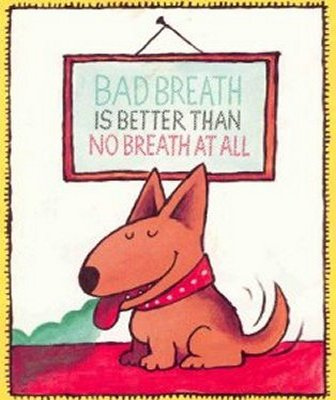
How To Cure Bad Breath In Dogs


It has happened to most dog owners. There you are sitting on the floor minding your own business. You are not bothering anyone. Then you are aromatically assaulted by a horrific smell. You slowly turn your head to obtain a clear view of the source. That source ends up being 70 pounds of pure hound breathing in your face. Sure, you love that four legged thing. The fact is that there is only so much your nose can stand.
What causes bad breath in dogs?
There is a tremendously dynamic range of possibilities for the causes of the bad breath our dogs can have. It can be cause by gastrointestinal organs, gum disease, and/or in the respiratory system. Keep in mind that sometimes that bad breath can be a sign of a much more serious health issue. Your Vet will always be the best place to start especially if your dog seems to have a chronic case of bad breath.
The fact remains that your dogs assault on the aromatic quality of your home could just be from diet. After checking with your Vet to be sure there is not a major health issue with your pet, it may be time to make some other adjustments in your dogs diet. Paying attention to these three things will help insure that your dog is healthier and smells their best.
Do not buy the cheap stuff
What kind of food are you feeding your dog? In today's economy we are always tempted to save a dime, or a dollar, any way we can. In regard to dog food it is best to spend an extra couple of bucks to upgrade the food we are feeding them. All dog foods are NOT created equal. Making a dog food choice based on the lowest price is a choice that says we do not really care what our dogs eat. There is a reason why that food costs so little. It is because the ingredients in that food are of the lowest quality and nutritional value. In some cases even cause an allergic reaction. Just spending a couple more dollars will assure that your dog is going to be in much better health.
Stay consistent
Pick a dog food that is within your budget and stick with it. Sure, dogs have been known to eat some really disgusting things. The fact is that they need a consistent diet. Switching dog foods each week can be a shock to their digestive systems. So, pick the healthiest food you can afford and stick with it. If you do make a change, make a change that you can stick with for a few months at least.
Use a simple and organic supplement
Organic is always going to be the choice for my dog. It is affordable as well. In fact, my wife will actually make her own all natural dog food. It is very healthy, cheap to make, and they love it. That will be another article though. What I do recommend is an organic rinse that will help your dog to smell their best. It will also help soften the build up that gets on their teeth so that they stay cleaner longer. Not to mention that it can help reduce the number of times that you need to have your dogs teeth cleaned. The organic product we recommend is below this article. It is highly rated by those who have used it.
Remember that bad breath can be a sign of some very serious internal issues with our dogs. See a Vet first. Then get that diet consistent and healthy. Loving paws deserve loving owners.
To keep bad breath away from my dog I use this Organic Rince
Article Source: http://EzineArticles.com/7190535

Winter Care Priorities That Will Keep Your Dog Safe

Winter will be upon us shortly and preparing your pooch for the colder months should be a top priority. Winter comes with its own set of specific challenges for your canine and we will need to do a bit more in preparation to guarantee your pets safety. The list below is the most common problems relating to health that can happen during the colder months and what dog owners can do to minimize potential dangers.
 1. Pay close attention the paws of your dog. During the peak of winter, your canine's paws can become very sensitive and can require attention. The dryer air and cold temperatures can wreak havoc on this area of your dog. Consider investing in dog boots or attempt to apply lotion to keep the paws moisturized. An additional area of concern can be rock salt and chemicals used in ice melting products on roads and sidewalks. Make sure to wipe off and clean your dog's paws after a walk outdoors to make sure your pet does not ingest any chemicals or ice melting material.
 2. Grooming is a must. Regardless of hair length, short or long, your dog's coat is for protection from the elements. So keeping diligent in the care of your canines coat should is important. Regular brushing should be a commitment and removing any mats or tangles that cause poor insulation will go a long way. Though it may seem silly, investing in a doggy sweater can also help provide warmth while you on a walk or playing in the yard.
 3. Keep tabs on vet appointments. The same way humans can be exposed to common colds and illness during the colder months, your dog can also come down with one as well. Making regular vet visits, even during the dead of winter, should be a priority. This will provide better insight into your dog's current health and you can learn how to help improve on areas you may not have thought about.
The final area of concern is protecting your dog once he comes inside from an outdoor activity. If he or she has been playing in snow or rain, make sure to blow-dry or towel them upon their return indoors. This can be very important to preventing colds and will ensure your dog remains healthy throughout the winter. By keeping the above in mind, and a few other's from your vet, your dog should remain happy and healthy.
Isaac Macalister is a frequent contributor for Hartz and has written many articles pertaining to cat and dog needs. Including anything from dog training to summer fun with your dog including tips on Hartz UltraGuard Flea Control.

The Best Hunting Dogs

Prepare to experience some very intense brain-heat. The reason for that will come right-off-the-top, so you needn't scroll-down to the bottom for a major shock. For your viewing pleasure we present the top dogs to take into the woods with you when you're on-the-prey.
What makes a super hunting dog? A couple of things:
    • Its size and shape.
    • What the cur is hunting for.
    • What you expect the dog to do - retrieve, track or point.
    • Its training.
    • Where you are actually hunting.
Drum roll
With those points in mind, here's what you're looking at from a breed standpoint when picking a great hunting dog.
   • Not many people would ever think that the lowly - literally - wiener dog would be the first choice as a hunting cur. The reason that the dachshund makes the list is because of its stubbiness. Mind you, if elephant-hunting were legal, this long-shot would not be the dog du jour. But smaller game is right up this dog's alley. Why? They fear not and they can get into just about anywhere in the rough.
   • Hitting the trail in search of the wily fox you'd want to equip yourself with the equally devious fox terrier. Just look at the mutt's name. Their dogged determination to ferret-out the small creatures paired with its long legs for the chase make this 15-inch pup a keen choice.
   • For those seeking a dog with smarts, consider a Spanish water dog. The key word here is water. Because of this animal's coat, it can tangle-up in the thickets. This buddy, because of its intellect is very easy to train.
   • English beagles appear to be friendly. They are, but they're also born to hunt. Don't expect an easy row when training as the flop-eared fellow has a strong streak of stubbornness.
   • Another English canine is the springer spaniel. Consider this best friend if you're looking for one of the top dogs in the breed of hunters. Known for their value of rooting-out birds for you to attack, they're also gentle with the prey that's been felled by you.
   • The Brittany spaniel is yet another highly intelligent dog which doesn't give-up easily. Hunters who focus on woodcock, pheasant, grouse and quail generally adopt these mutts.
  • Possums and raccoons, meet your match. The coonhound keeps their nose to the grindstone, and is not skittish in either cold or hot climates. They're even known to chase-down deer and other big game. Coonhounds get their stars from the marriage of fox hounds and blood hounds.
  • Speaking of wedded bliss, the English setter comes from the combination of pointers and setters. They not only make excellent gun dogs. As a result of their friendliness, they're terrific with kids, being eager to become part of your family.
  • Being both bird dogs and large animal trackers, the German shorthaired pointer is a cinch to train in two different worlds. We're talking large dog here. Some can shoot-up to a weight of 70-pounds. If there was an Olympic sport that included hunting dogs, this one would always get the silver, occasionally winning the gold for its master.
  • But the Labrador retriever rarely settles for second place. The lab is the gold standard. Smart, extremely water resistant and the giant of the group above, this dog weighs in between 60-to-80 pounds. Adopting a retriever with these genes means you're getting the best of breed for all your hunting needs.
Jake Theron is an avid dog trainer and hunter who loves to give people his wisdom. He tends to spend most of his time nowadays either training his companions or fulfilling his need to spread his knowledge by writing for dog training supplies.

Monday, November 19, 2012

A Dog In Mourning

When Jake died, Couper became a dog in mourning. He took to his bed and I was left trying to help him cope while also deeply mourning the loss myself.
Knowing in advance what to expect, can enable you to help your surviving pet.
It's okay for them to mourn
Know that it is very likely that your surviving pet will mourn the loss. Understand that he too is grieving. Let him go through the process and let him know it's okay for him to grieve. Grieving and healing is a process, and just like people, and each pet will move through it at their own pace.
Behaviors
Your pet may exhibit behaviors you don't understand. Immediately following Jake's death, Couper would start taking Jake's toys and putting them in his own bed. This was usually a ritual he reserved for one purpose; to annoy Jake.
He would also constantly alternate beds; switching every few minutes between his bed and Jake's. Why was he exhibiting these behaviors? Research showed that what he was doing was trying to call Jake to come to him. He remembered things he has done in the past that caused his buddy to come to him. So he constantly repeated these rituals thinking that if I steal Jake's toys, or sleep in his bed, Jake has always shown up to put me in my place and will therefore show up again.
Couper exhibited a number of these behaviors and we let him go through the process feeling it was necessary for him to understand that Jake was not coming back.
We briefly tried removing Jake's favorite things but it only made the situation worse and it is not something I would recommend. Having the other pet's toys around will help him understand the situation.
Helping Others to Help Your Pet
Every so often you come across people who seem to be completely clueless. I remember someone saying to Couper in a very excited voice "where's Jake"? His reaction was to go running around trying to find him. I caught up with him, hugged and reminded him that Jake was gone. Did he understand my words? Likely not, but he understood my tone.
How To Help The Surviving Pet Move Forward
At first, we just let Couper grieve. Afterall, we were feeling the same way. We wanted to wallow in our sorrow, wrap it tightly around us and just shut everything else out.
After a week of Couper not getting any closer to moving forward, we started to get involved in trying to help him. We would set up playdates, both with people he liked and with dogs he enjoyed. He would be thrilled when they were here but the minute they left, he was back in bed.
Pets Do Mourn. Proof
It was now 12 days after Jake's death and although neither my husband nor myself felt like it, it was time to make our annual trip to Florida for the winter. We both felt that this was either going to be a great thing for Couper or a disastrous move.
Couper normally would spend most of the day looking out the car window during our travel. This time was different. He barely moved. It was heartbreaking to watch.
However, each night as we got into the hotel, Couper became his old self. Happy, funny, and full of personality. Yet as we would head back into the car for the next leg of the journey, Couper's depression returned. We soon realized that every place that carried Jake's scent, caused depression. Yet the hotel rooms held did not have any of Jake's scent, and this made Couper happy.
The day had arrived and we drove up the driveway to our place in Florida. Couper was beyond excited. We opened the car dog and he ripped his seatbelt, jumped out of the car and made a mad dash into the house. He ran into every room. We know he was looking for Jake. I imagine he was thinking "Hey, Jake's not really gone, he's waiting here for me!" The excitement as he searched every corner of every room was heartbreaking to watch. Depression set in immediately following the discovering that Jake wasn't in Florida either.
We decided to take him over to visit his all time favorite pal in Florida; a funny pit bull mix whom Couper adored. We did this day after day; making sure each day was filled with old friends for him to meet as well as many new friends.
Fortunately this worked. I'm sure he still has the odd sad day; but his funny, easy going personality has finally returned. Jake was the only pack Couper ever knew. It was a difficult transition for him to realize he no longer has a pack.
Let your surviving pet know it's okay to mourn but also know that it is your responsibility to guide him towards a healthy recovery.
Phyllise Kaye is the founder of http://www.justovertherainbowbridge.com, a site for people who have lost a beloved pet.
Losing a pet is extremely difficult. Healing from such a loss is just as difficult. The loss of my dog Jake was exceptionally painful and the sadness and grief that followed was much deeper than I ever could have imagined.
If you, or someone you know is suffering the loss of a beloved pet, I would love for you to visit our site and see all that we have to offer.
http://www.justovertherainbowbridge.com

Protect Your Dog With Worming Tablets


Worms can be a serious problem for dogs and are a common issue that they can get from all of the horrible things that they eat off of the floor while you're on walks. You might think that your dog is safe from worms with their lifestyle, but when they run into the bush to use the little puppy's room they may well also take the opportunity to eat a present left by a fox, or even an old dead mouse that they find. It's really rather filthy what our pets tend to get up to and better that we don't think about it. And even if your dog doesn't go out of your sight outside, then these things can of course crop up in your garden and this can be just as unhealthy.
These worms then are tiny microscopic creatures that you probably wouldn't see but that can then live in your dog's intestines or stomach where they will wait live off of the foods and nutrients that come in via your doggy's appetite. This is when your dog will start to feel ill - as they will no longer get the nutrients they need in their diet because they are going to the worms instead. This then can mean that your dog begins to show signs of malnutrition and this might mean that their fur looks dry and their skin looks flaky, or that they are lethargic and generally unwell looking. If the problem progresses then the worms can begin to grow in size and this can be a cause for discomfort for your dogs, and at the same time you might find that they start to lose weight rapidly and to go to the toilet a lot or try to be sick. In severe cases worms can lead to infection and other complications.
If you notice any of these symptoms then it is important to take your dog to the vet where they will probably recommend worming tablets as a way to kill the worms and this way you will be able to get your dog back to full health. The important thing to remember though is that a prevention is very much better than a cure, and it's much better to worm your dog on a regular basis to help prevent them ever getting to that point. This is also an important thing to do from a conscientious point of view - because worms in your dog's manure can actually cause problems for humans if they get some on their hands and then touch their face - potentially leading to the humans being infected with worms or even in the loss of vision if the worms get into the eye (a horrible thought indeed). Of course you should also think about other dogs and animals, and by worming your dog you can prevent this from spreading when another dog finds your what your dog left behind. Of course it's also important for these reasons and others to make sure that you pick up after your dog.
I have found the easiest products to use are drontal allwormer chews. I don't like shoving a tablet down the throat. But I imagine that interceptor spectrum is also very good.

Article Source: http://EzineArticles.com/7223429

Pitbull Dogs - Real Fighters


Pitbull dogs are categorized into different categories like the American Pitbull Terrier, American Staffordshire Terrier and American Bully. Pitbull is a breed, which arose from the cross-breeding between terriers and bulldogs in general, but each breed under this broad category is distinct.
Let's discuss a little on all the three categories of the pitbull family.
American Pitbull Terrier - The result of mating between the English Bulldogs and English Terrier came to be called as the American Pitbull Terriers. This breed is unique because it has got the athleticism and strength of the bulldog and the inclination of the terrier. The American Pitbull Terriers were first bred in the British Islands and then brought to America. These dogs are used as family companions to hunt livestock. Some of them are specially bred for fighting.
The earliest association to recognize this breed was the UKC. The American Pitbull Terrier best fits into the shoes of a police dog, therapy dog and a companion dog. These dogs are made to do a lot of prohibited dog fights in the USA. Some examples of where these dogs are illegally used are to guard illegal narcotic operations and to attack the police.
In the year 1996 the SPCA located in San Francisco decided to label these dogs as 'Saint Francis Terriers', as people were trying to misuse the fighting ability of these dogs. They soon stopped this endeavor as there were a lot of complaints that this breed of dogs was killing cats.
In the year 2004 the animal care center in New York also aided to promote the adoption of this breed by labeling them as the 'New Yorkies', but didn't go ahead due to stiff opposition from the community.
American Staffordshire Terrier - In the 19th century the interbreeding between terriers and bulldogs resulted in the product seen today as the American Staffordshire Terrier. There's a lot of difference between the pitbull of 19th century and the current one. The previous ones had a full snout along with an elongated tail. There is also some deliberation on the topic whether the Fox Terrier, Tan and Black Terrier or the White English Terrier or similar combination were initially used. Around the year 1870 this breed of dogs reached the North American continent and became popular as the 'Pit Dog' or the 'Pitbull Terrier' and later as the 'American Bull Terrier' and after many years as the 'Yankee Terrier'.
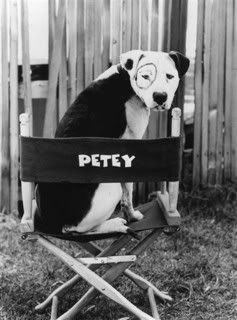
Famous Pitbulls - Last but not the least are the famous pitbulls. They are famous for their parts as actors, rescue dogs, police dogs, celebrity dogs television stars etc. Some well-known personalities are the Petey from the Little Rascals and the Terrier mix Nipper.
Now stop your hunt for blue pitbull puppies for sale. These blue nose pitbull puppies for sale can be found simply by searching online.
Article Source: http://EzineArticles.com/7261853

Seven Common Household Items That Are Poisonous to Dogs


There are many different items that can be found in virtually every household. Dog owners need to pay particular attention to some of these items since they can poison their pets. The following is a list of some of the most common.
Pesticides
Homeowners frequently make use of pesticides to keep a wide range of pests at bay. It's vital that you be careful when using them around your home. Dogs can be curious and a few licks of a trap can be very hazardous.
Chemicals
Other types of chemicals that you have around your home should also be kept away from your dog. Don't keep a bottle of bleach beneath the bathroom sink and let your dog go sniffing around unattended. You need to keep all types of chemical cleaners stored somewhere safe where your dog won't be able to access it.
Antifreeze
One of the most hazardous household items to dogs is antifreeze. It only takes a small dose to cause irreversible damage to the kidneys. Larger doses can easily be fatal. It's important to note that not all types of antifreeze have the same amount of danger.
The chemical ethylene glycol is used in some types of antifreeze and is very deadly. If you own a dog, it's probably in your best interests to put antifreeze in your car that contains propylene glycol instead. This chemical is also dangerous, but your dog would need to ingest more of it to to experience more severe consequences.
Fertilizer
Gardeners commonly make use of plant food or fertilizers to enhance the output of their hobby. Just make sure that you don't allow your dog to consume any of it. Be careful about the type of chemicals that you use on your lawn too. Don't let your dog go nosing around directly after you have applied any of these chemicals.
Plants
Speaking of gardening, dog owners need to note the different types of plants that are inside and outside their home. Some of them are very poisonous to dogs. Therefore, it would be a huge mistake to have them around since your dog won't know better than to eat them if he gets the notion. Mistletoe and azalea are two plant types that are very harmful. The ASPCA has a full list of plants that are harmful to dogs located here
Medications
Different types of medications are found in virtually every household too. It doesn't matter if it's a prescription medication or simple cold medicine. You shouldn't let your dog have access to any human medications. Pills aren't the only things that are toxic to dogs either. Creams and liquids can also be harmful.
Food
Feeding your dog is probably the most important task that you'll have. Don't make the mistake of feeding him scraps from the table. It's common for dog owners to give their dog a bone when they're having chicken, turkey, or another meat. Although dogs love bones, they have the potential to do major damage. Your dog may chew on the bone causing it to shatter. If he swallows the shattered pieces, they may lead to an intestinal obstruction. Internal punctures are also possible too.
Other foods should never be given to dogs because they're poisonous. Two of the most poisonous include chocolate and onions. You should also avoid giving raisins, grapes, alcohol, and salt.
There are plenty of bad things that can happen to your dog. Besides these health hazards, there are also a range of dog diseases that owners have to worry about. So, stop by common-dog-diseases.com today to learn about some of them that can become a problem like conjunctivitis in dogs.
Article Source: http://EzineArticles.com/7309262

Sunday, November 18, 2012

Dog Shock Collars - Are They Humane to Use?


It's pretty easy to get anyone's attention if you deliver a shock to them. Dog shock collars are being used effectively by some owners, while others decry their use as inhumane. It seems like this debate will never there.
First, it should be stated that there are various reasons for using one of these collars on your dog. If you have one of these fences along the perimeter of your yard, then you'll obviously need one to keep your dog inside the boundaries. However, they're commonly used to correct unwanted behaviors such as aggression or excessive barking.
There are good and bad things about using dog shock collars. They can be quite effective when used properly, but very harmful when used improperly. Most collars give you the ability to control the correction. It's important to use enough force to get your dog to understand when you use one of these collars, but you have to be careful not to use too much.
Using too much force with dog shock collars will cause you to have a very stressful dog. He may even become more aggressive or even worse, fearful of you. Using one of these collars incorrectly can harm or even destroy the bond between you and your pet.
If you're trying to train your dog, it's vital that you understand that timing is of the utmost importance. Dog shock collars that are set to correct your canine automatically if he starts barking or doing something else may not be the best choice since they may not issue the correction in a timely manner.
Collars that are tied to a fence aren't 100% effective either. Over time, your dog may get used to the shock. If this happens, he'll be willing to endure a little pain in order to make his escape. You certainly don't want that to happen as he can cause harm to other people or even get injured himself.
If you're intent on using dog shock collars, make sure that you do so safely. Definitely don't use it as a method to abuse your dog whenever he does something wrong. If used in conjunction with a fence, make sure that you're aware it's still possible for your canine friend to escape his invisible boundaries.
Now you know both the benefits and drawbacks of using shock collars for your dog. Hopefully, now you can make the best decision for you and your pet.
We'll go to great lengths to keep our pets safe and healthy. Part of doing so is learning about different diseases and conditions that can affect our pets like acne. You never know what will befall your furry friend despite your best efforts to keep him healthy. So, stop by common-dog-diseases.com today to learn about a wide variety of dog diseases.
Have you ever wondered how much pain your dog goes through when they receive a schock from one of those pronged collars. Mike and Audrey of Toastedrav.com Strapped a training collar on their Legs and tried out the different levels shock.

Article Source: http://EzineArticles.com/7309261